Cardiac Sarcoidosis
By Phil Liaboe
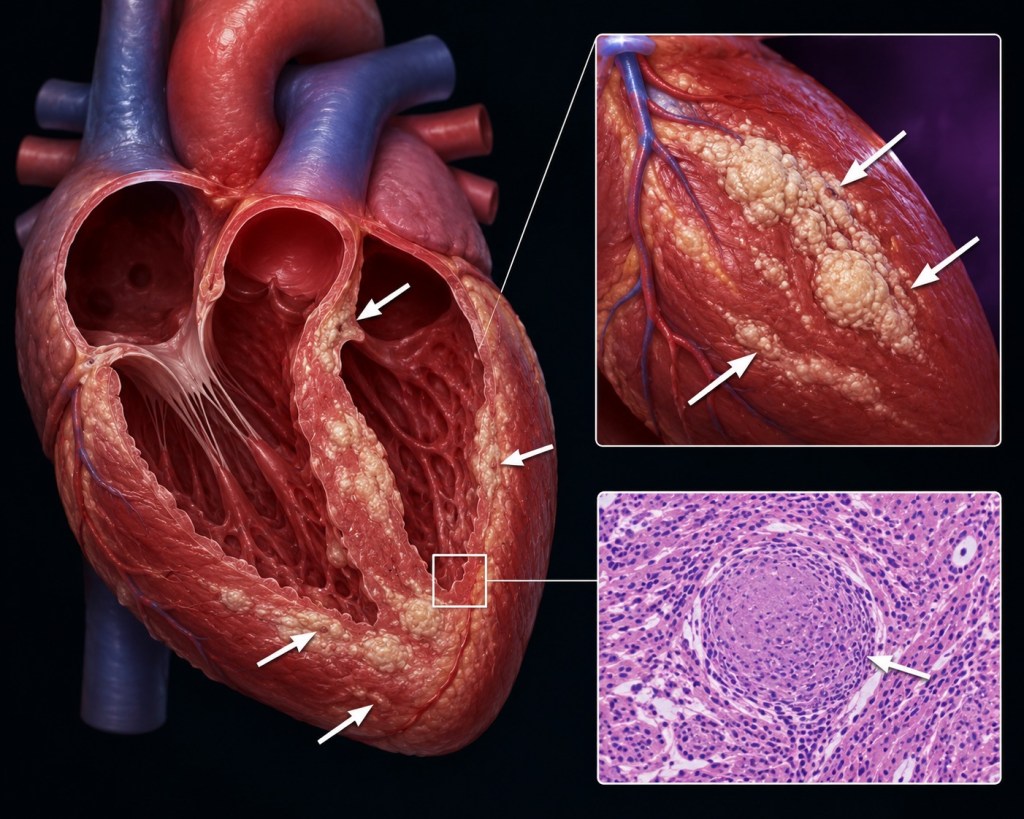
The root cause of all my heart failure and the disease that so severely affected my native heart is called Cardiac Sarcoidosis. Sarcoidosis can appear in several organs in the human body. It is most common in the lungs. It also can occur in the eyes, on the skin and in several other major organs. It is unusual to occur in the heart.
WHAT IS CARDIAC SARCOIDOSIS?
This disease is characterized by tiny clumps of inflammatory cells called granulomas that form in the heart. This inflammation leads to scarring. The scarring interrupts the normal electrical signals that keep the heart and all it’s precision and closely timed pumping sequences operating properly.
There is a lot going on inside the heart as it pumps blood throughout the body. The right and left atria receive blood and pass it to the right and left ventricles. The right ventricle pumps blood to the lungs to receive oxygen, while the left ventricle pumps oxygen-rich blood to the rest of the body. Throughout this process, four valves open and close in a carefully coordinated sequence to keep the blood flowing.
All of this is synchronized and happening at about one hundred thousand beats per day moving an astounding fifteen hundred to two thousand gallons of blood. The typical person is not aware aware of it. When you add scar tissue to the mix, the signals lose that synchronization, and the pumping efficiency suffers. People who have cardiac sarcoidosis will usually experience the following symptoms:
· Irregular heartbeats or palpitations
· Fainting or dizziness
· Shortness of breath
· Chest pain
· Fatigue
· Heart failure
The exact cause of Cardiac Sarcoidosis is still not fully known, but the current medical thinking is that it is likely caused by an overactive immune response in people who are genetically susceptible.
The leading theory is:
- A person has certain genetic traits that make their immune system more prone to abnormal inflammation.
- Something in the environment then “triggers” the immune system.
Possible triggers researchers are studying include:
- Viral infections
- Bacterial exposure
- Environmental dusts or chemicals
- Mold or other inhaled particles
Importantly, sarcoidosis is:
- Not considered contagious
- Not considered a cancer
- Not usually thought to be directly inherited, though family risk is somewhat increased.
So, in summary, this disease has no real known cause or cure. I could look back on my past and guess how I could have contracted this using the current theories listed above. I never had any work that involved exposure to chemicals or unusual environmental surroundings. I was in sales. I met with people. I traveled a lot. The only exposure to hazardous material I can ever recall was my childhood summers.
My grandparents lived in a small town in southern Utah called Monticello. As a child I spent several weeks of each summer there. This town sprang up with the discovery of uranium during a time when the United States was building atomic weapons at an industrial level. My grandfather owned a lumber yard there and was the golf pro at the golf course that he and his friends founded.
By the late 1960s the uranium mine near Monticello was abandoned. As kids we played, explored and ran around this mine. Today the uranium mine itself is a Superfund clean-up site. Nobody knew (supposedly) how dangerous uranium was back then. My guess is they knew exactly how dangerous it was but the expense to safeguard the people working there or living there was deemed prohibitive. I cannot find any published association between uranium exposure and sarcoidosis. That is the only exposure to anything harmful or hazardous I can think of.
DIAGNOSIS
Getting a diagnosis was tough. When it came, I did not totally believe it. Parts of me still don’t. There was a long time period for me where there was no diagnosis for what was causing my heart failure. I had none of the classic background or tell-tale signs or body type that is generally associated with heart disease. In fact, I had many of the qualities generally associated with good health. I had wide open and clear veins and arteries. I was a non-smoker. I was a social drinker. I was slightly overweight. I had a solid and long history of consistent exercise. This all served to make everyone, most of all me, wonder why my heart was failing.
For about a year I underwent a battery of testing including blood tests, chest x-rays, MRIs, CT Scans, Echo cardiograms, heart catheterizations and numerous interviews with various specialists . Then I had a Cardiac PET Scan. “PET” stands for Positron Emission Tomography. This test is in the nuclear medicine section of a medical center, and it involves using a radioactive isotope injection as a contrast agent. The radioactive tracers are injected into the patient and carried by the blood stream. These tracers penetrate the tissues and organs providing a three-dimensional color picture to the imaging scanner.
The diagnosis that came back was cardiac sarcoidosis. It was essentially a diagnosis of exclusion. Sarcoidosis is rare. The medical community does know or have a ton of data to rely on when treating it. The kicker is that cardiac sarcoidosis is an unusual form of sarcoidosis so the base of understanding and expertise is even less. I had a rare disease that was found in an organ it does not often occur in. That sounds bad. It is.
EJECTION FRACTION
One way to measure the pumping effectiveness is to determine the Ejection Fraction or EF. The normal EF of a heathy person is between fifty and seventy percent. This means that of the amount of blood going into the ventricle, between fifty and 70 percent is being pumped or squeezed out on each beat. The EF in my case was between 15 and 25 percent. At one point it was measured as low a 9. My heart was operating at less than one third of what it should be.
Based on the PET Scan my diagnosis was presumed cardiac sarcoidosis. I use the word “presumed” because it can only be confirmed as certain by a tissue biopsy. Several attempts were made using a biopsy to get confirmation. They all tested negative. Sarcoidosis is tricky to biopsy. Think poison ivy in its appearance. It’s patchy. When extracting a very small piece of tissue from an organ the chances for a that sample containing sarcoid is small even if it’s present. Based on the results of the PET, which were textbook for sarcoid, and the fact that my heart problems could not be explained any other way, the diagnosis stood.
TREATMENT
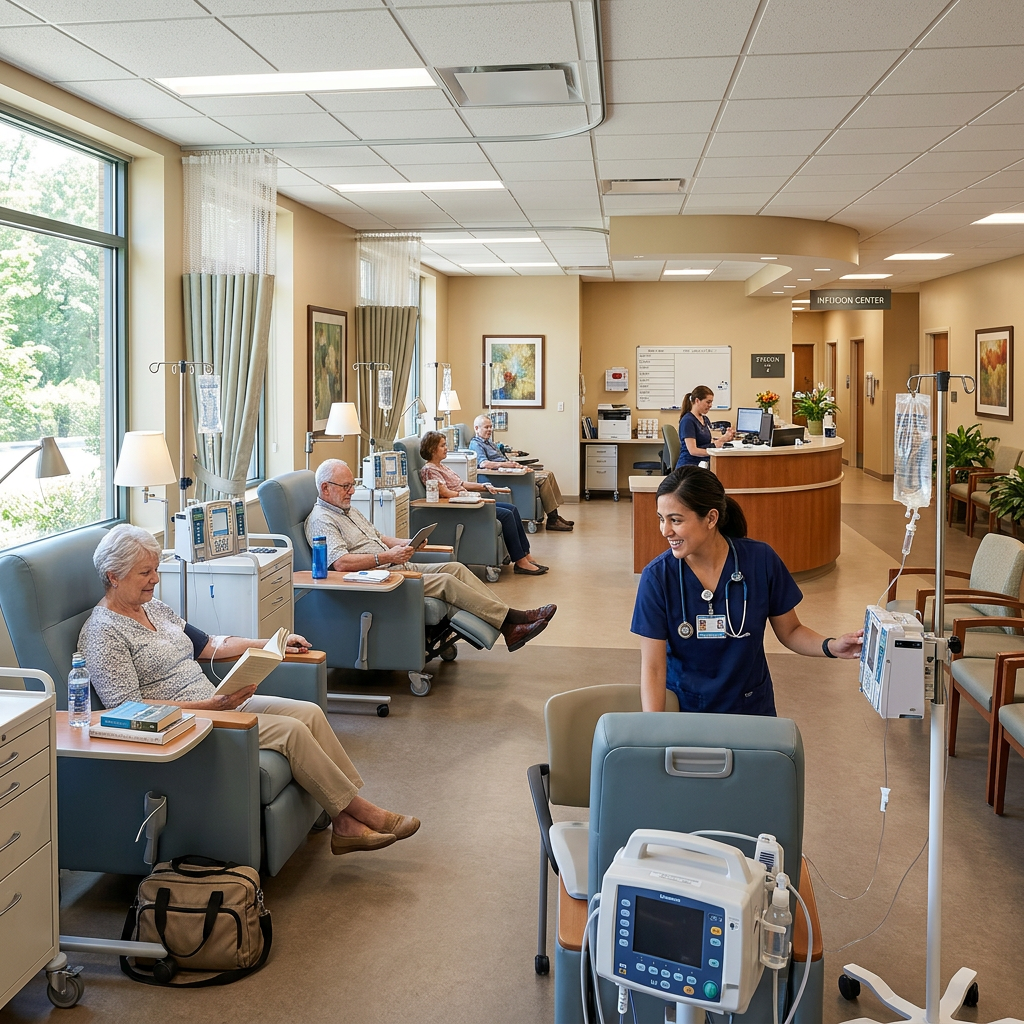
The current playbook for treating cardiac sarcoidosis as was described to me was heavy daily doses of prednisone and eventually adding monthly infusion treatments of a drug called Remicade. Remicade has several bioequivalents including Inflectra, and Infliximab. In an infusion, the patient goes to an infusion center and the medication is administered through an IV and takes roughly 2-3 hours start to finish.
The purpose of these medications is to reduce the inflammation caused by the presence of sarcoid. It was effective for me. After 2 years, PET scans showed no sarcoid. There is nothing that can be done about the scarring left behind.
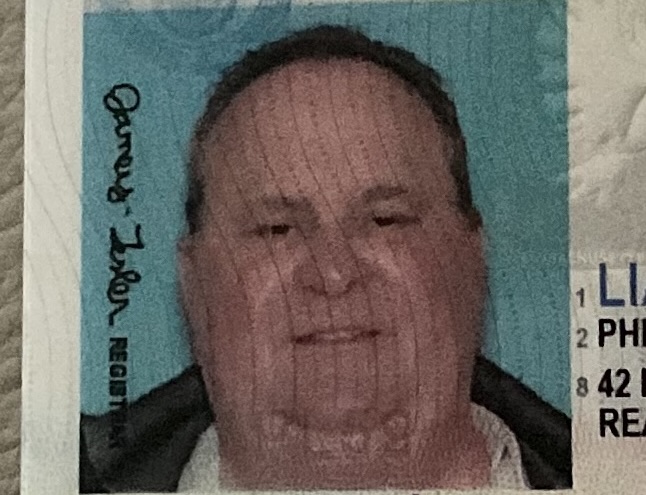
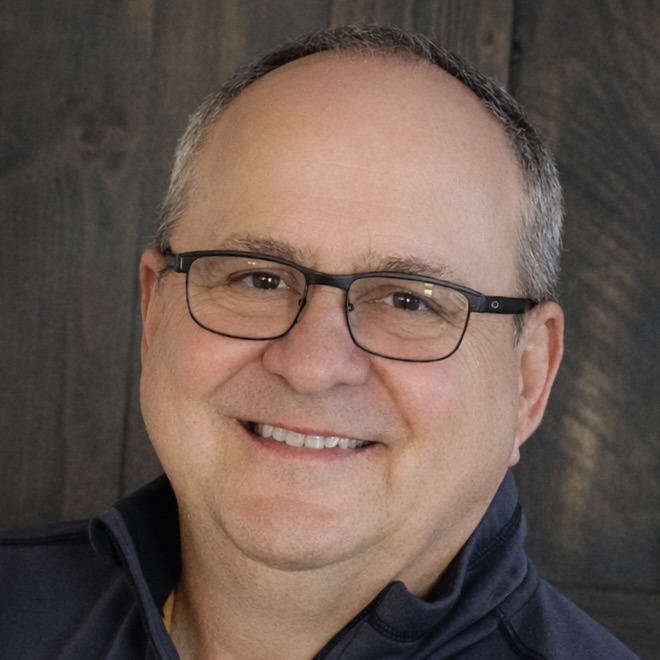
One noteworthy side effect of taking high doses of prednisone over a long time period is weight gain. It was for me particularly noticeable in my face and neck. In some circles this side effect is known as “moonface”.
Here is my driver’s license photo taken during that period.
Here is a photo today for comparison.
The treatment worked. Unfortunately, the damage was done. Transplant was the only real answer for me unless I wanted to live with advanced heart failure and risk sudden cardiac arrest.
PERSONAL INSIGHTS
There exists in the world a wide range of diseases with no known cause. Some examples are Alzheimer’s Disease, ALS, Multiple Sclerosis, Crohn’s Disease and many more. One of the things I noticed myself doing with my conversations with people about my heart failure is telling them I had this rare disease that has an unknown cause. As I think more about my own behavior in this regard, and if I am honest with myself, this need to tell people that my disease has an unknown cause fits squarely into my own insecurity.
There is a natural tendency in our society to associate the onset of disease with weakness. Weakness in character for bad lifestyle choices or just plain physical or cognitive weakness. As a man of faith, I know that historically that some believe that when this type of misfortune falls on a person that it must be something they deserve. That God is punishing them. This notion persists even though there are several references, at least in the Christian faith, that this is not at all the case.
In Gospel of John Chapter 9, verses 1 through 3, Jesus sees a man born blind and when asked who sinned, he says essentially that his blindness was not the result of his or his parents sin; this happened so that the works of God might be displayed in him. I could list several other examples that buttress this in the Christian Bible.
Today I avoid mentioning the cause if the subject of my transplant comes up in conversation. What people think of me is none of my business. In turn, I have a new perspective when I hear of others who have been struck with misfortune. I try hard when I learn that someone has run smack into disaster not to rush to judgement.
A frequent question that arises in society is, “why do these things happen at all, if there is a God?” My faith and belief in God tells me that it’s not God who let’s many of these things happen. We, as a collective human race let it happen.
God gave us a wonderful world and the free will to choose to follow him or do as we please. Doing as we please or what we think is right is not a good strategy. I believe we need a reference point for what is right. My reference point is my faith in Jesus Christ and what he taught.
Using my previous reference to uranium, what if the money that was used by all the nuclear powers to develop and build (and dismantle) atom and hydrogen bombs was used to research illnesses I’ve mentioned instead. Globally it is estimated that $12 -20 trillion dollars has been spent by the nuclear powers of the world for weapons that are capable of depopulating the surface of the earth. Compare that to the $5-15 billion that has been spent on researching ALS. That is about .06%. In other words, as humans, we feel it is more important to spend 1,500 to 2,000 times more on weapons of mass destruction than on solving ALS. This logic can be expanded to include all forms of evil and that we spend money on as a society. It’s a long list. God gave us the tools to solve the problems.
I am not a theologian. I guess this is my awkward and roundabout way of saying I don’t blame God for this happening to me. Maybe it is something I did. If it is I don’t know what it was. All I can do now is display God’s works in me and through me as best I can with the help and love of all those surrounding me.
My next post involves some hard subject matter for me. On the Yellow Brick Road there are some scary and unexpected monsters that pop out of nowhere. In the movie the Wizard of Oz the flying monkeys frightened me as a young child. What happens next is sort of like that.
© 2026 Phil Liaboe. All rights reserved.


 My Heart Transplant Journey
Leave a comment