By Phil Liaboe
FOOD PRECAUTIONS
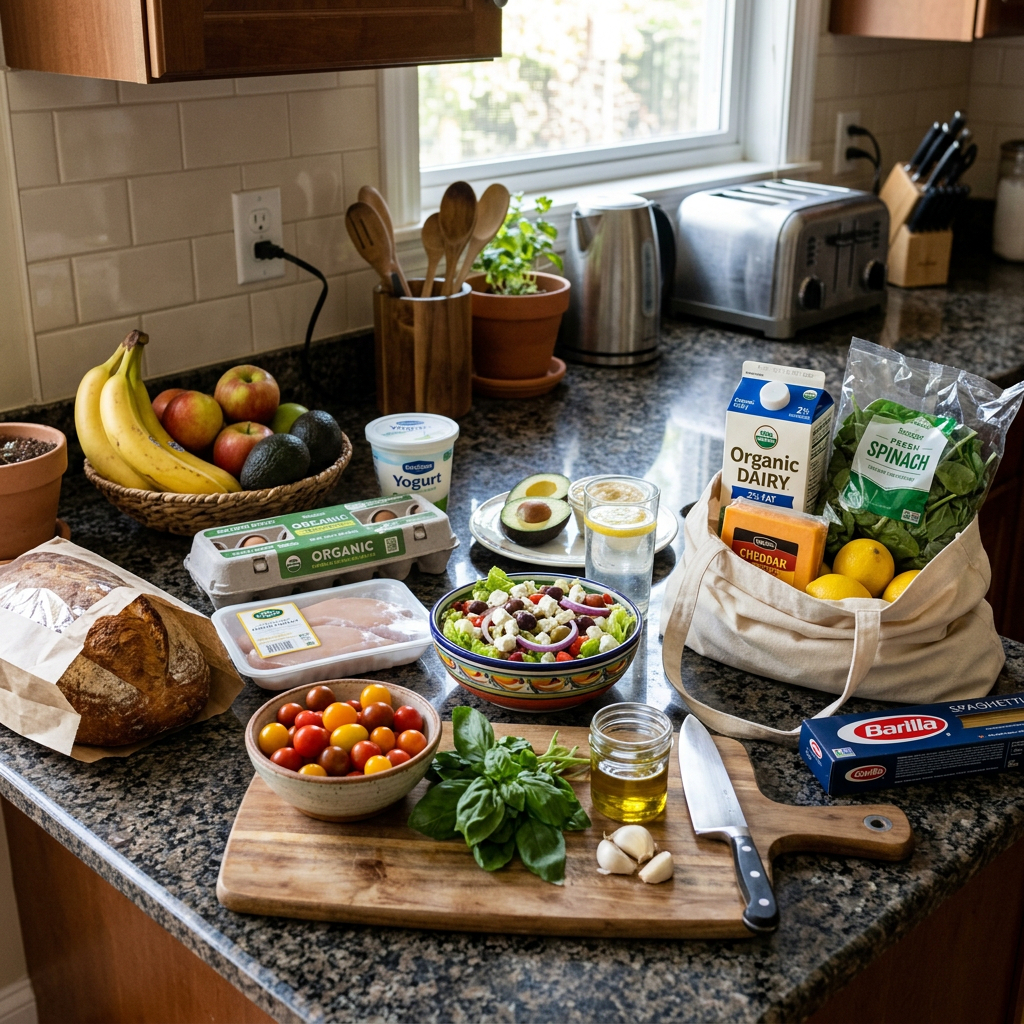
On arriving home from the medical center there were several adjustments that we needed to make to our humble abode. And by “we”, I mean Lauren. These changes I am referring to mostly revolved around food preparation and the food itself. These are changes that are part of the protocol mandated by the Medical Center to reduce the chances of illness or infection to me given my severely suppressed immune system. We were told that serious illness leading to a re-hospitalization is at its highest when the patient first arrives home and lasts until about 6 months post-transplant if all is going according to plan.
One of the directives we were given was that I was not to eat out at a restaurant for at least 6 months. We heard that and Lauren and I looked at each other and simultaneously gave each other a thumbs up. We had grown to recognize that there were very few places we had eaten at that provided good food, good service, good price and had an ambience we liked. The vast majority of the time we were disappointed. Very simply, there were few meals we ate out that Lauren could not make better at home. Being restricted from restaurants was not a hardship.
In turn, eating anywhere outside our own home like at a friend’s house or other family members was taking somewhat of a risk as well. How do we know how a salad was prepared, or the temperature of the meat being served, or if a dog had not been licking the counter? We needed to eat at home for a good long while.
One of the many specialists working with us at the Medical Center was a nutrition specialist. This woman met with us several times while at the Medical Center and explained the reason for the caution, the foods I could and could not eat, and directions for how set up the kitchen for this high-risk period.
EXPIRATION DATE
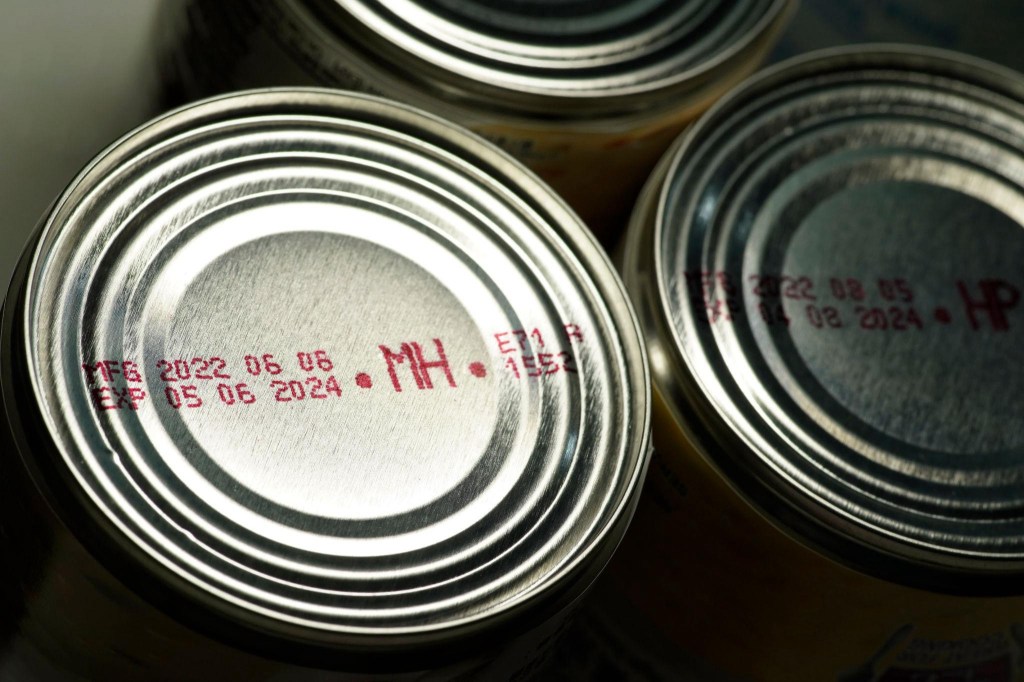
The first task was to go through every consumable item in our pantry or fridge and toss it if it was expired. I clearly understand that the expiration or “best if used by” date for many people is a controversial topic. There is a lot published about how people should use these dates.
Some simple web queries to find out how much food in the typical American pantry or refrigerator that is either expired or past its “best if used by” date yields a figure of 20%. My Mom had a tragic stroke in 2025 that caused us to move her to a nursing home. In cleaning out her refrigerator, I found that most of what was in the fridge had expired, including a jar of dill pickles that expired in 2016. At the time she was exactly 100 years old. How do you tell a 100-year-old woman that she needs to better managing expired food? Should her son that just had a heart transplant at 64 be considered a credible source for that guidance?
For transplant patients it’s a different story. A suppressed immune system and food borne pathogens are a dangerous combination. This is not controversial. Even a small bacterial load can cause a severe infection. Infections are the leading cause of death for the recently transplanted. Needless to say there was a lot of expired stuff that Lauren trashed, including almost all the little round jars in the pullout spice shelves.
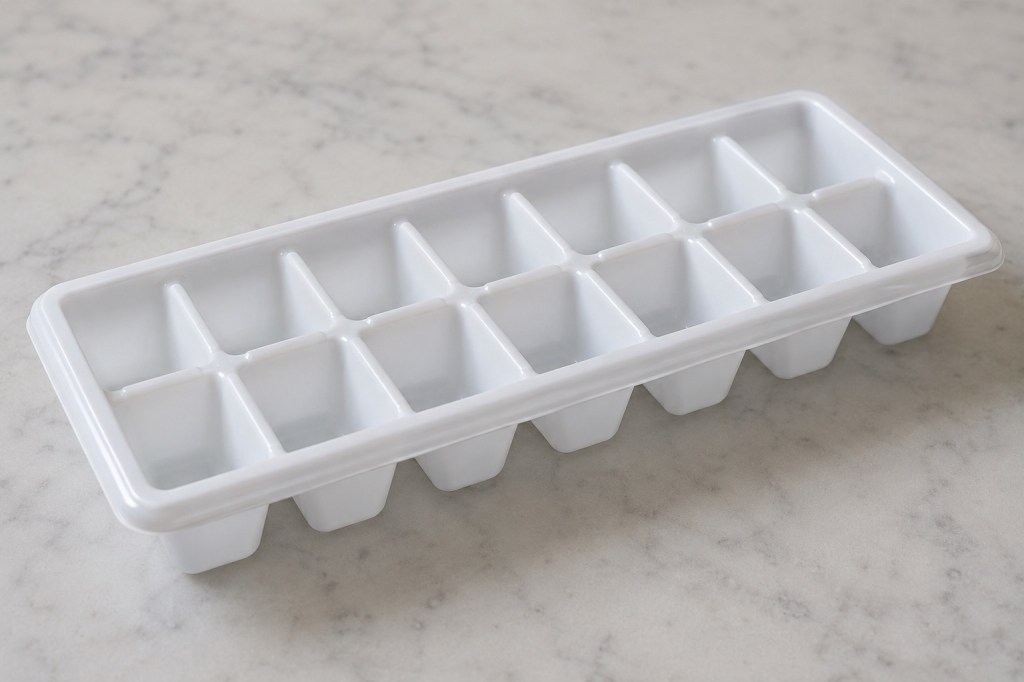
Another change is the making of ice. Ice makers harbor an unusually high level of bacteria. That includes not only ice makers in restaurants but also those built into the typical household refrigerator. So now we make ice the same way I did in college. Small flexible trays stacked up in the freezer. If you ask our transplant nutritionist, this is a lifetime change. I think recommendations on this change vary a bit depending on the medical center. To me, this is a no-brainer. I can make ice in trays the rest of my life and I can forego ice in my drinks in restaurants from now until my dying day. Perhaps that day will get pushed out a little if I do that.
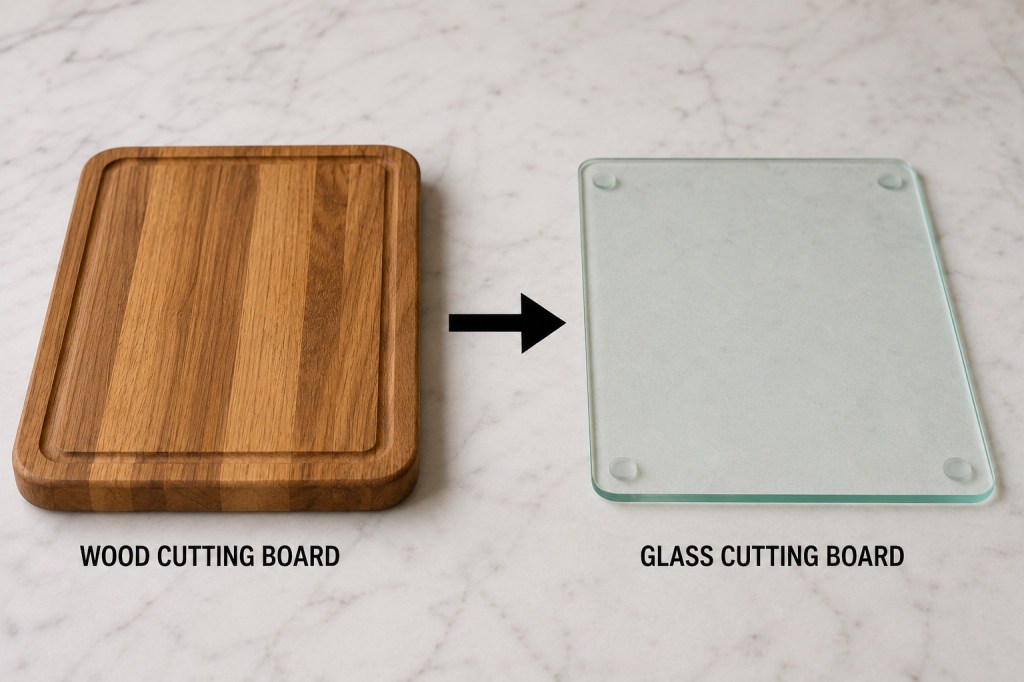
A little change that caught us by surprise was that we had to change all our cutting boards from wood or plastic to glass. Harmful microbes can hide in those little grooves on cutting boards. Even stainless-steel boards are not recommended. Is there anything worse than cutting food on a glass cutting board? According to Lauren that would be a “no”. Most of the time now we just reach for a disposable, but recyclable paper plate for cutting. We can chop all our veggies for a salad on paper plates. All the precautions around raw meat still apply of course only more so as you might imagine.
The countertops needed to be wiped clean using an anti-bacterial spray anytime they were used. Lauren designated a section of the counter that was exclusively used for food prep. No groceries bags were allowed to be placed there. We tried to keep our cats away from that area (how is that workin for ya?), no mail opened there, etc. Lauren was constantly spraying and wiping those first few months. To some degree we still honor all those early dictates even though I am more than 2 years post- transplant and I am no longer at extreme risk.
These precautions are met with interest and skepticism by some people we explain this to. Some wonder if they are at risk in any way. Much of what a healthy person eats contains a multitude of microbial bacteria. I try to tell people that my body can’t fight it off; however, theirs easily can. My sense is that certain folks are split into two camps. One group is worried about all the nasty stuff they are eating after hearing us talk, the other camp thinks I am an over-the-top clean freak and being overly dramatic.
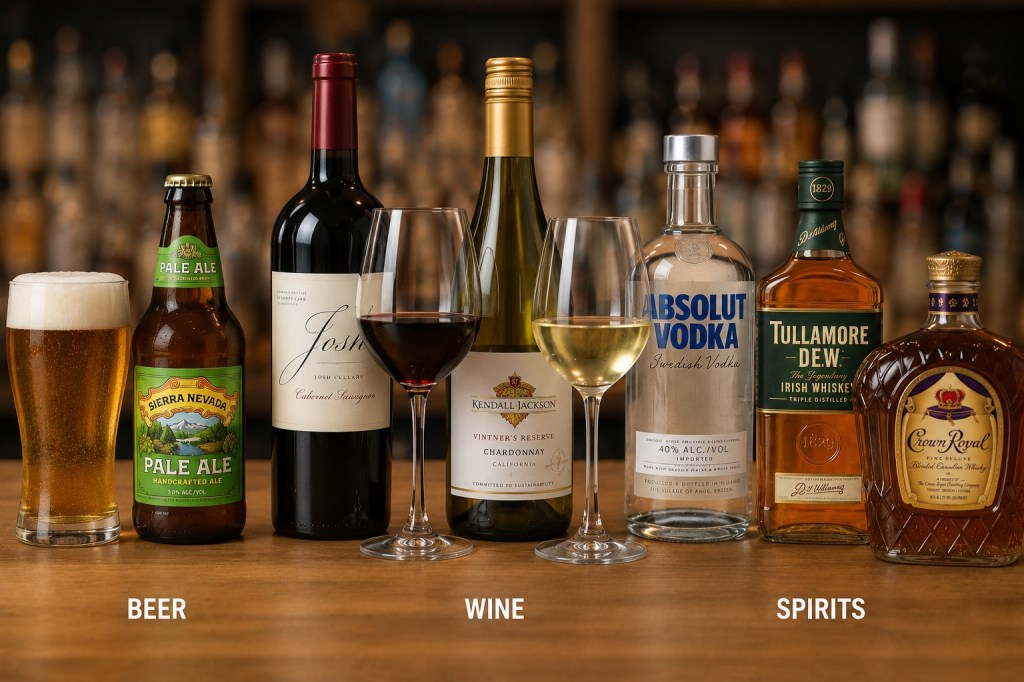
We asked both the pharmacist and the nutritionist about drinking alcohol. In fact, the question I asked was if I could drink a non-alcohol beer now and then, assuming alcohol was off limits. His reply was that would be fine. He also added that there was no data to support alcohol consumption one way or another. According to him, it didn’t matter if I drank or abstained, within limits. A drink or two with dinner now and then would not move the needle as far he knew. There are a lot of shifting sands and contradictory thinking required on this ride. As a heart transplant recipient, I can now go to a restaurant and drink a beer and eat medium well done bacon cheeseburger, but I can’t have a glass of ice water or a salad.
FOOD PREPARATION
Food precautions are pretty simple. They are all lifetime.
- Scrub with a brush under running water all vegetables that are not to be cooked (salad)
- Cook meat to the temperature that is recommended to kill all bacteria – usually about 165 degrees Fahrenheit. Some meats vary.
- Don’t eat raw food (except scrubbed veggies) including oysters, sushi, Italian meats like prosciutto, eggs over easy, etc.
- Don’t eat certain things that are prepared with raw food. Examples are homemade hollandaise sauce and Caesar salad dressing.
- No ice from icemakers anywhere: no cocktails with ice, no sodas with ice, etc.
- Nothing expired or past it’s “use by” date. Not a suggestion anymore.
Again, none of this is any hardship for me, particularly when I consider the gift of the extended life I have been given with the donated heart I received. After a couple of years on these restrictions there are only a few foods I really miss. Eggs Benedict or any version of that dish. Eggs benedict violates two rules. Under cooked eggs (usually poached) and the hollandaise sauce.
Another food I miss is sushi. I loved sushi. All kinds. I know some places offer sushi tempura but even that does not cook the sushi to the temperature required. Interestingly, my surgeon who performed the transplant is from Japan. I met and spoke with him at a function held by the Medical Center and I asked about sushi. I asked him if patients in Japan are required to give up sushi. He said no. I asked him why. His reply was “different sushi”.
The only other guilty pleasure I miss, and it’s not even a food; however, it is something that comes close, is the occasional cigar. I was never a big cigar smoker. Every once in a while, I would enjoy and small half corona size cigar around the campfire in Maine. Or sitting on the small porch of our trailer there while the rain pattered away on the metal roof. I liked the smell and it relaxed me.

After I was feeling a bit stronger, I tried to find some evidence or source that would tell me it’s OK to enjoy a small cigar. I asked Chat GPT if it was OK if a heart transplant patient could have a small cigar once in a while. The answer came back “NO” with a long-detailed explanation as to why. So, I asked it again, what if it was just once a month, would that be ok.? Again, “NO” with all the same reasons. Then I asked if I could have a very small cigar just once per year. The answer was again “NO”. Then Chat went on to tell me that it would be potentially harmful if I am riding in a golf cart with someone who is smoking a cigar. See, chat knows I am a golfer because I ask it golf related questions related to my hobby selling used golf balls. That’s a little spooky but that’s part of our new world with artificial intelligence.
The next topic is an interview with a caregiver and I happen to have ready access to the best caregiver a patient could ask for. My amazing wife Lauren.
© 2026 Phil Liaboe. All rights reserved.


Leave a Reply